Bunny Bun Store Check: A $7.19 Potion Lab Where You Drink the Failures
This is a store-data check of Bunny Bun, not a hands-on review — every claim below comes from the official Steam listing (AppID 5406050), verified today, and nothing here reflects play time.
The pitch
<figcaption>Official Trailer — Bunny Bun, MARIOCART. Source: Steam AppID 5406050 (checked 2026-10-26).</figcaption>
</figure>
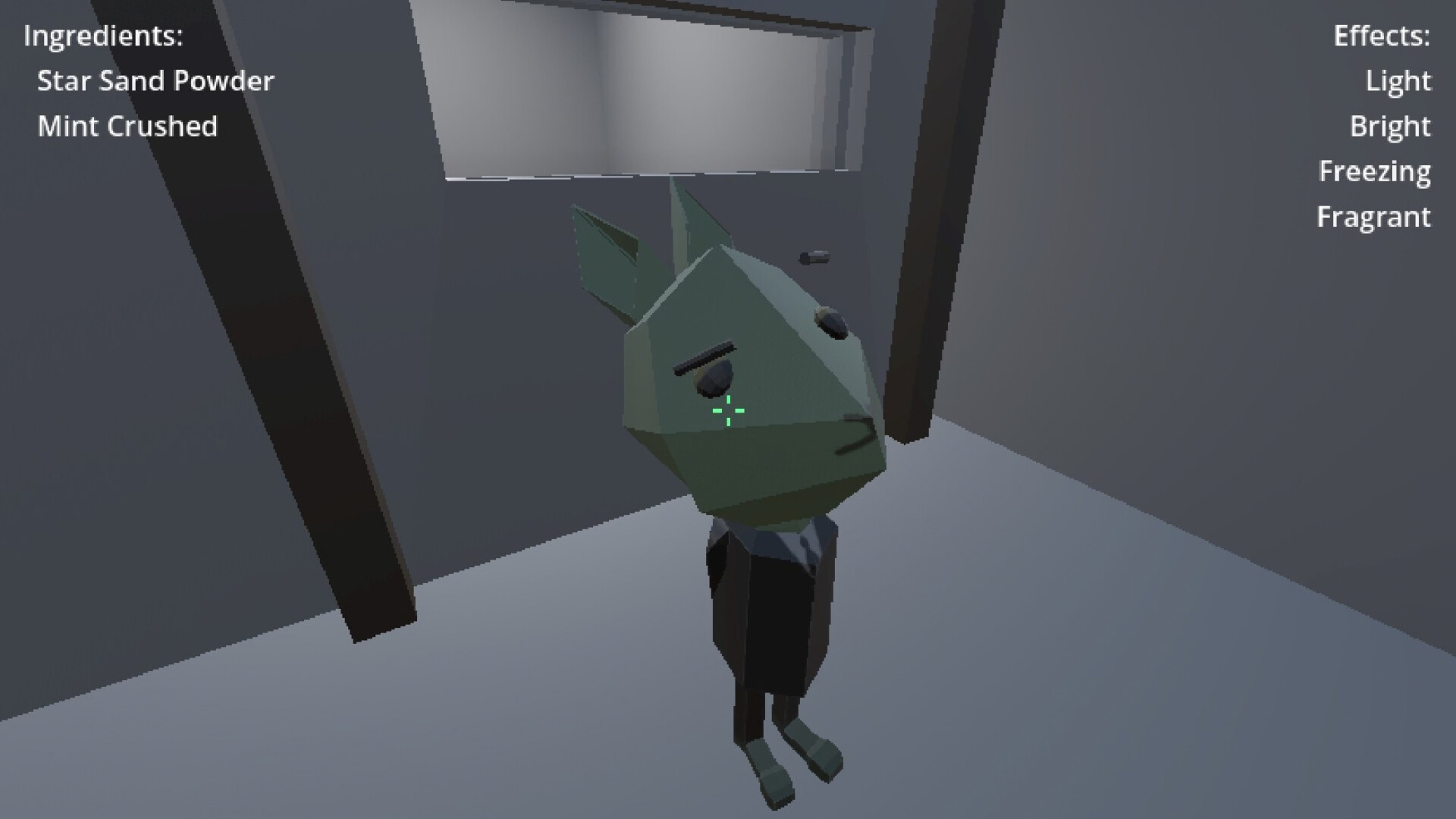
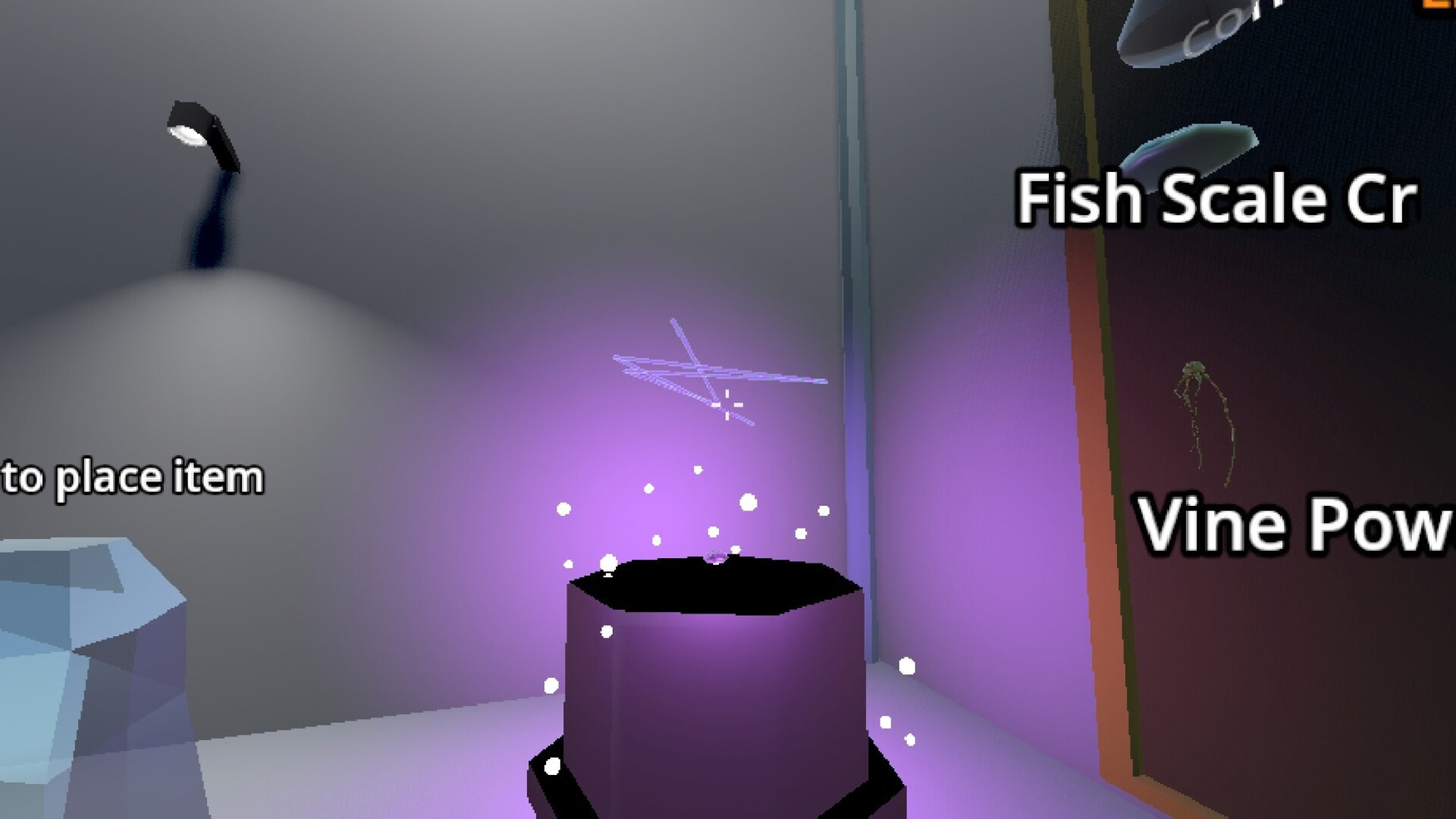
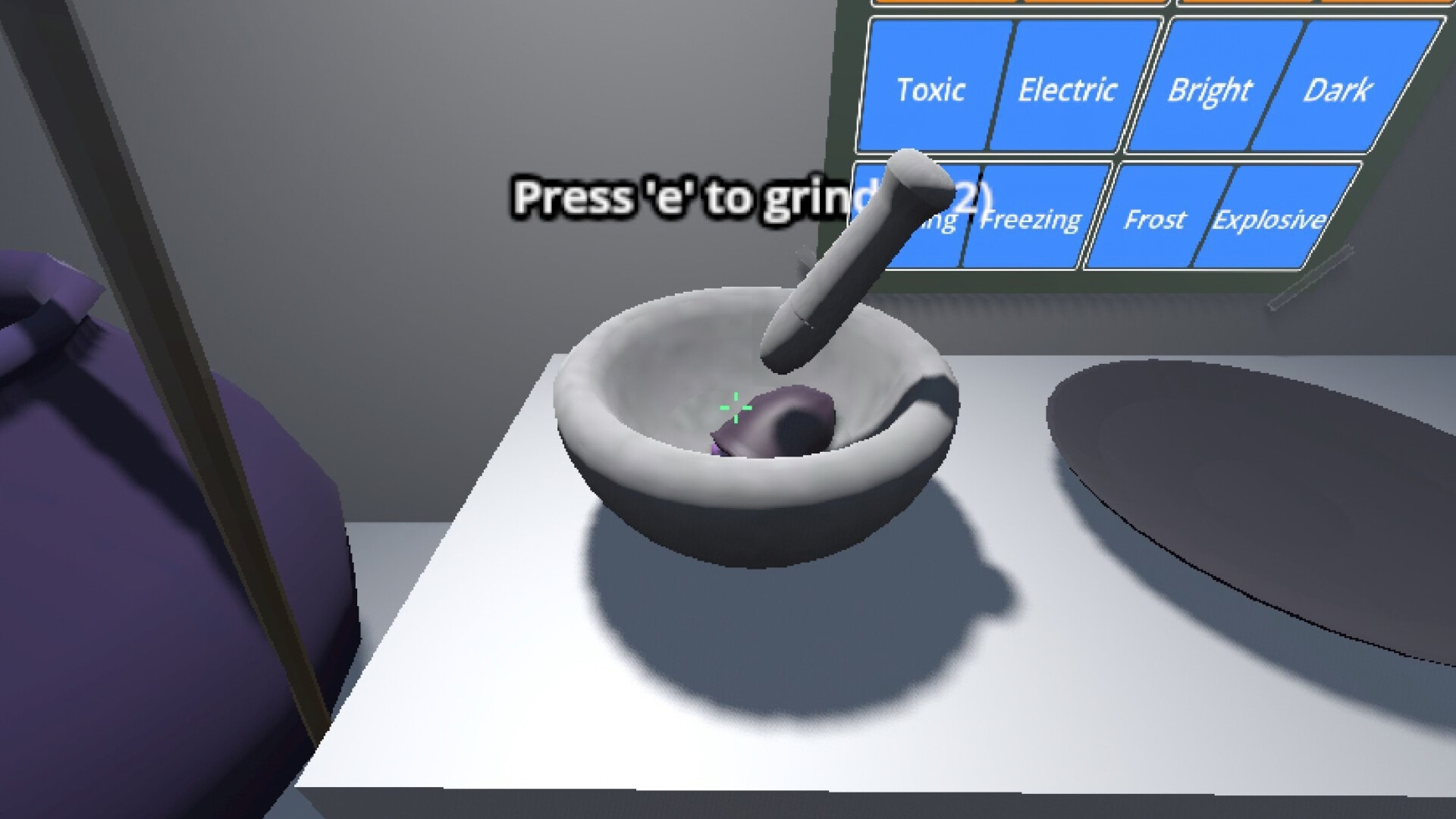
You are Bunny Bun, a researcher who has arrived at a laboratory to develop the Wisdom Potion. The loop is stated plainly: process raw materials, synthesize them into potions with specific effects, then test a potion by drinking it yourself.
That last step is the design hook. The listing describes the test as taking a sip and going crazy, which means failure is not a menu screen — it is a playable consequence. A potion lab where the wrong mix produces an altered state rather than an error message is a comedy premise wearing a simulation's clothes.
It is worth being precise about why that ordering matters. Most crafting games sequence their verbs as gather, combine, sell or equip. The product leaves your hands and becomes a number in an inventory. Here the sequence ends with consumption, so the output of the crafting system feeds straight back into the player's own state. That is a closed loop rather than an open one, and closed loops are what give small simulation games their tension: every batch you make is also a decision about what you will be experiencing a few seconds later. The store text does not describe a penalty for a bad brew, only the craziness itself, which suggests the cost is the altered state rather than a lost resource.
What the listing commits to
The page commits to material processing and synthesis as the core verbs rather than to combat, exploration, or narrative. That places the game in the crafting-simulator category, with the twist that outcomes are experienced rather than catalogued.
It also commits to a character premise: the world needs you, and the Wisdom Potion is the goal. That gives the loop an endpoint, which is more than many casual crafting games offer at this price. An endpoint is a double-edged commitment, though. A stated final goal tells the buyer the arc has a shape and a finish line; it also tells the buyer that once the line is crossed, the listing has promised nothing further. Whether that reads as focus or as a short leash depends entirely on how much content sits between the first raw material and the final sip, and the page does not say.
Store facts, verified
- AppID 5406050, Windows only
- $7.19, no Mac or Linux build
- Released October 25, 2026 — one day before this check
- Genres tagged Casual and Indie
- Developer and publisher both listed as MARIOCART
- Eight screenshots on the store page, one trailer
- No public demo listed
The release timing is the most useful fact in that list for a buyer right now. A game checked one day after launch has essentially no review history to lean on, so the store page itself is doing all the persuading. That is not a criticism of the game; it is a description of the evidence available. The developer and publisher being the same name, MARIOCART, indicates a self-published project rather than one with a publishing label behind it, which typically means a smaller team and a smaller marketing footprint — and, at this price, a scope to match.
What the page does not say
Three things matter and none are on the listing. First, how many potions or recipes exist — a crafting game's value is its content volume, and eight screenshots cannot show a recipe tree. Second, whether the "going crazy" effect is cosmetic or mechanically disruptive; the former is funny once, the latter is a game system. Third, how long the intended play session runs.
The single trailer is the best available evidence for tone and for whether the effect states actually change play.
That second gap deserves the most attention, because it is the difference between a joke and a mechanic. A cosmetic effect — a wobbling screen, a tint, a sound cue — is a punchline you absorb in the first ten minutes and stop noticing by the thirtieth. A disruptive effect changes what you can do: it might invert controls, scramble which ingredient you think you are holding, or make the lab itself behave differently while the potion is in your system. Only the second version generates the kind of emergent stories that make a small game travel by word of mouth. The listing's phrasing leans toward the disruptive reading, since it frames the sip as a test rather than a flourish, but the page never states it outright, and a buyer should treat the trailer as the tiebreaker rather than the description.
The recipe-count question is the same problem in a different register. Crafting games live or die on the size of their combination space, because the pleasure is in the branching, not in any single craft. Eight screenshots can show you a lab, a character, and a few potions; they cannot show you how many dead ends and side effects the system contains. If the Wisdom Potion is one recipe among dozens, the game has a middle. If it is the only real target, the game has a beginning and an end and very little between them.
The price question
$7.19 is the impulse-buy tier, and the risk profile matches. At this price a game needs to deliver either one very good evening or a genuinely replayable loop; it does not need to be a hundred hours.
The structural risk is content depth. Crafting games at this price often ship with a short recipe list and a satisfying but brief arc. If the Wisdom Potion is the only goal, the game is over when it is reached.
There is a counter-argument worth putting on the table, and it is the one the price itself makes. Seven dollars is roughly the cost of a cinema ticket or a takeaway meal, and the standard for satisfaction at that tier is an evening, not a season. Judged against that bar, a tight, strange, funny two-hour simulation with a clear ending is a complete product, not a truncated one. The failure mode at this price is not shortness; it is a game that is short and also thin — where the ending arrives before the mechanic has been explored. The listing gives no way to tell which of those Bunny Bun is, which is why the trailer matters more here than a trailer usually would.
Verdict
Buy if you like short, strange simulation games and the idea of drinking your own failed experiments is funny to you. The premise is specific and the price is small. Wait if you need a long tail — nothing on the listing promises replayability beyond finishing the potion.
https://store.steampowered.com/app/5406050/