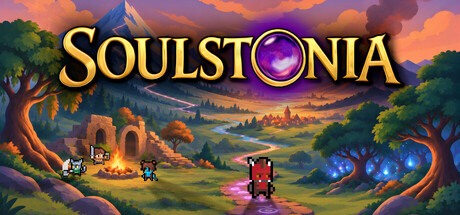
Soulstonia's Demo Is Live—Can an Idle RPG Still Give Players Real Control?
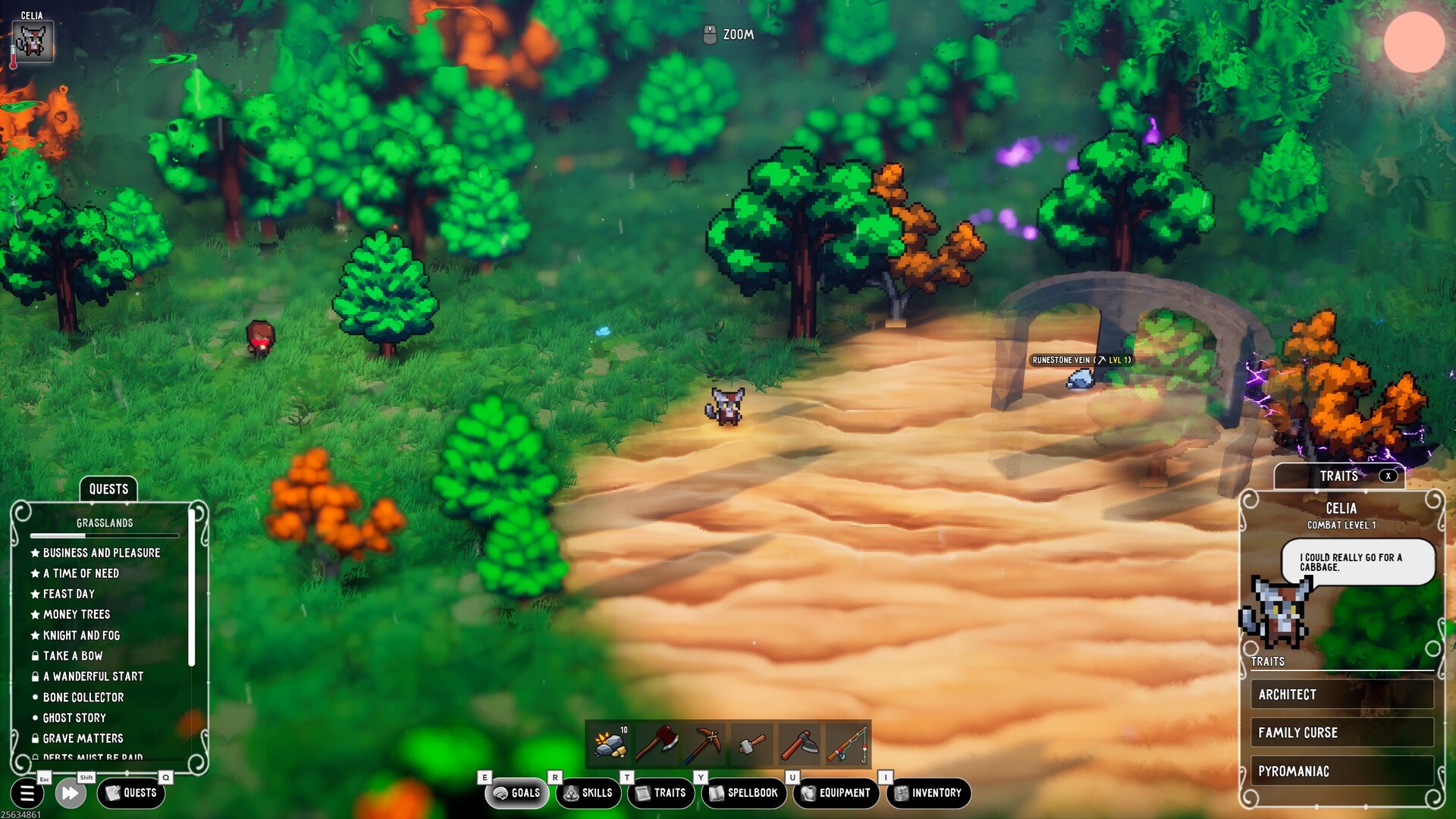
Soulstonia's public Steam demo is live ahead of October's Steam Next Fest and a December 10 Early Access launch. Its central promise is unusual: recruit autonomous Summoners, train more than 20 skills, and let the party gather and fight while idle—but take direct control whenever a decision matters.
This article uses official store data and the developer's demo announcement. IndieGame.party did not play the demo, so it is not a review. Official Steam URL: https://store.steampowered.com/app/4432150/.
Why the demo matters before Early Access
Idle RPGs often ask players to optimize systems while characters perform routine work. Soulstonia adds an explicit control switch: players can allow autonomous behavior or intervene directly. That claim is best evaluated through a demo because responsiveness, automation logic, and the frequency of meaningful choices cannot be judged from screenshots.
Gabriel's Games announced the demo on October 8 ahead of Steam Next Fest. At 1:58 p.m. Malaysia time on October 13, Steam's official app data listed demo app 4448060 and a December 10, 2026 release date. The main game was still marked coming soon.
The timing is worth noting. Steam Next Fest is built around hands-on trials, and a demo that appears days before the event gives the studio a window to collect first impressions while attention is high. For an idle game, that window matters more than for a conventional action title: the genre lives or dies on how its loops feel across hours, not minutes, so a public build is the only honest way to start that conversation before money changes hands.
Release, platforms, price, Korean, and demo
Soulstonia is listed for Windows and macOS. Linux was not listed. The store showed no price for the upcoming Early Access release. Korean was included among the listed interface languages alongside English, Japanese, Simplified and Traditional Chinese, and numerous European and Asian languages.
That language spread is broader than many small-studio Early Access launches attempt, and it signals an intent to reach players across several regions from day one rather than localizing later. It also raises a practical question the store page cannot answer: whether the in-game text, tooltips, and skill descriptions are fully translated in the demo build, or whether only the interface shell is covered. Language coverage listed on a store page describes intent, not necessarily the state of a pre-release build.
The separate demo app is verified. Players should confirm the current download button, language coverage inside the build, save transfer, and whether the December date remains unchanged. Store metadata can change after publication.
Save transfer deserves particular attention. Idle games accumulate progress over long sessions, and players investing hours in a demo will want to know whether that time carries into Early Access or resets. The store data reviewed here does not settle the question, so it is one of the first things a prospective buyer should check on the demo page itself.
The design question: autonomy versus agency
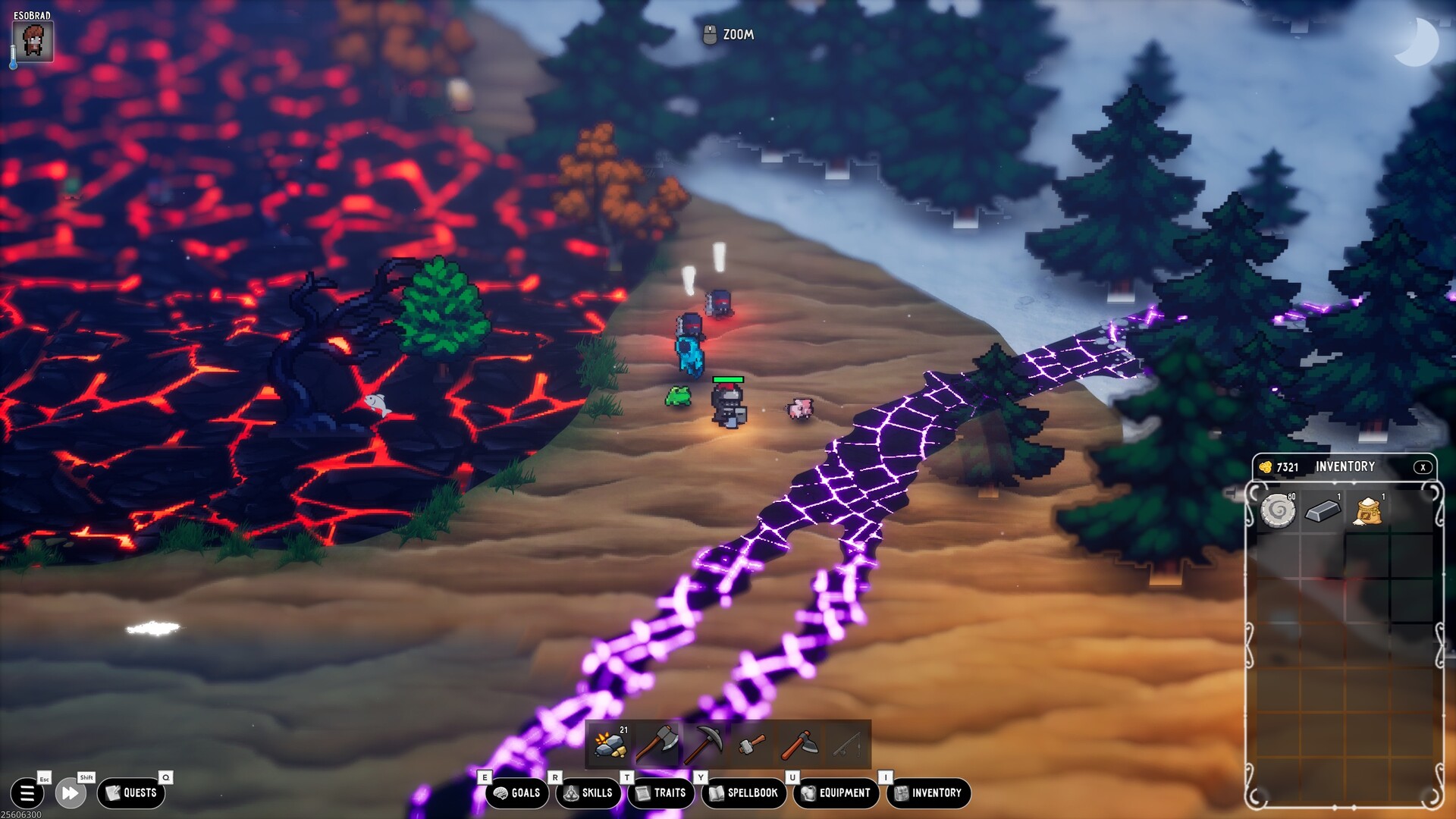
The most interesting part of Soulstonia is not that progress can continue while idle. It is whether autonomous party members feel like understandable agents rather than opaque timers. Skills, behaviors, and party composition should let players predict why a plan succeeds. Direct control then becomes a tactical tool—not a fix for unreliable automation.
This distinction separates good idle design from bad. When automation is legible, the player's job shifts to planning: choosing which Summoners to recruit, how to arrange their skills, and when to step in. When automation is opaque, the player is reduced to watching numbers move and guessing at causes. The control switch only adds value in the first case; in the second, it becomes a patch for systems the player cannot read.
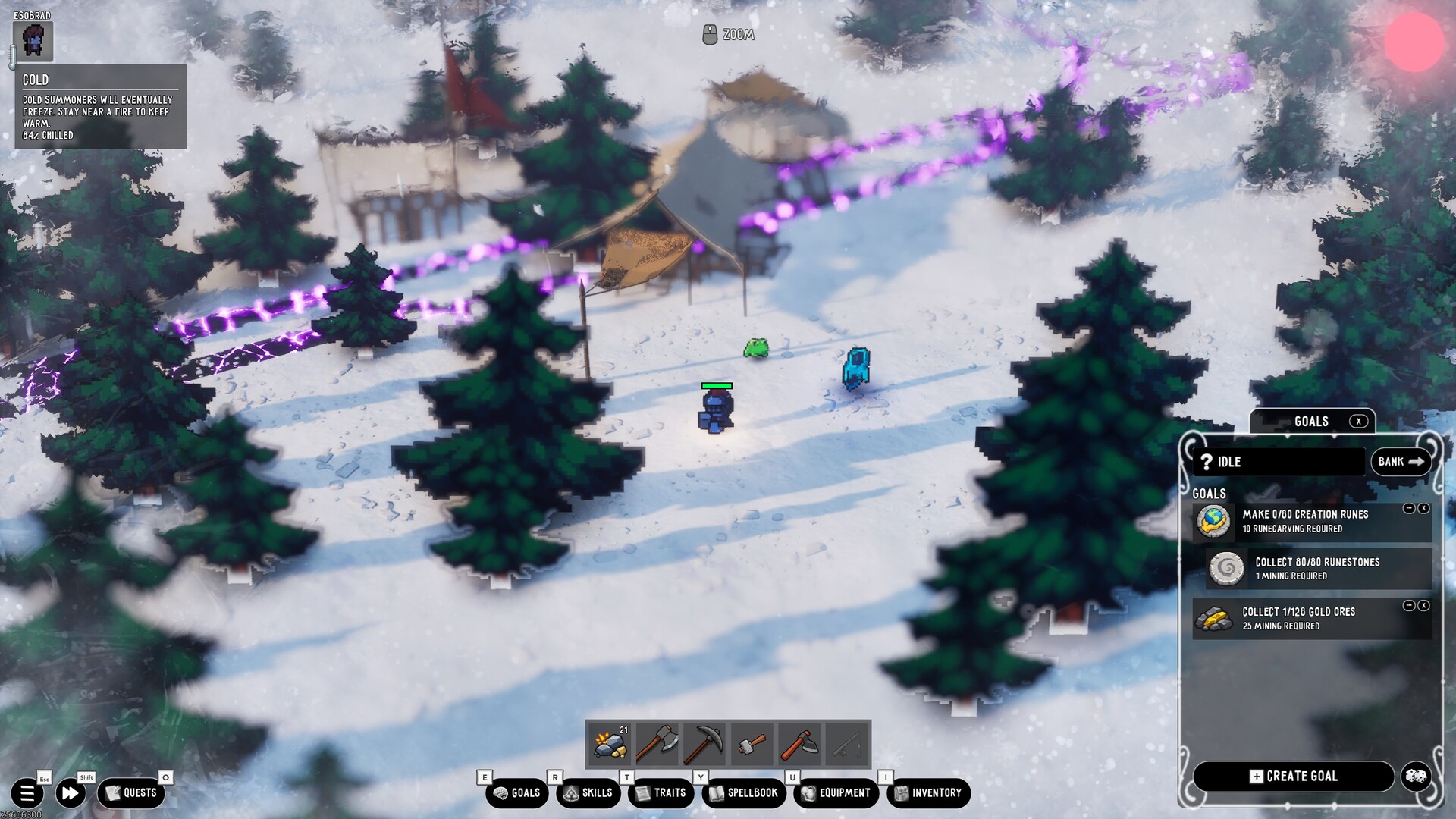
More than 20 trainable skills could create expressive builds, but quantity alone is not depth. Useful skills need distinct roles, tradeoffs, and interactions with summoned creatures and world activities. The demo should reveal whether progression unlocks new decisions or mostly increases numbers.
A useful test while playing is to ask, after each unlock, whether the new skill changes what you would do next. If the answer is consistently "it makes the same plan stronger," the skill list is wide but shallow. If it opens a new combination with a summoned creature or a different approach to gathering, the breadth is doing real work.
What is verified—and what remains unknown
Verified at the check time:
- December 10, 2026 is the listed Early Access date;
- Windows and macOS are supported platforms;
- the public demo is attached to the official app;
- Korean is among the listed supported languages;
- Gabriel's Games is both developer and publisher.
The developer announcement describes a living fantasy world, procedural exploration, gathering, crafting, combat, and idle growth. Those are promised features, not independently tested outcomes. Steam disclosed no public wishlist, demo-download, revenue, or player-retention figure.
That absence of public metrics is normal for a store page but worth stating plainly: nothing in the official data tells us how many people have wishlisted the game or how the demo is performing. Any claim about momentum right now rests on the announcement and the listing, not on numbers.
Who should try it, and who should wait
Try the demo if you enjoy party composition, idle progression, creature summoning, or games that alternate planning with direct play. Pay attention to how clearly the interface explains autonomous decisions and whether returning after idle time creates a meaningful planning step.
That last point is the heart of the genre. A well-built idle game makes the return feel like a decision point—what changed, what to adjust, where to push next. A weak one makes it feel like collecting a payout. The demo is the cheapest way to find out which experience Soulstonia offers.
Wait if you need a finished campaign, mature balance, community-tested monetization, or confirmed Steam Deck/Linux support. Early Access plans and economy can change substantially.
Steam Deck compatibility is a reasonable concern here: the store lists Windows and macOS but not Linux, and Deck runs on a Linux-based system. Buyers who play primarily on Deck should treat support as unconfirmed until the store page or the developer says otherwise. Likewise, anyone sensitive to balance churn during Early Access should weigh whether the December date is close enough to watch from a distance rather than commit immediately.
Editorial verdict
Soulstonia earns a demo-first recommendation. Its autonomy-versus-control idea is concrete, the platform and language support are unusually broad, and the December date is close enough to monitor. The demo must prove that the party's independence creates strategy rather than distance between the player and the game.
Sources and image rights
- Official Steam store: https://store.steampowered.com/app/4432150/
- Official Steam app data: https://store.steampowered.com/api/appdetails?appids=4432150
- Developer demo announcement: https://www.gamespress.com/en-US/Soulstonia-Demo-Is-Live-Now-on-Steam-Ahead-of-Steam-Next-Fest
- Evidence checked October 13, 2026 at 1:58 p.m. MYT.
- Image rights: hero and screenshots are official Steam store assets supplied by Gabriel's Games, downloaded locally for identification, reporting, and criticism; no compositing or semantic alteration. © Gabriel's Games.