UnderMire Has a Release Date—Can Its Co-op Horror Avoid Roguelite Fatigue?
UnderMire now has a firm November 13, 2026 release date, a playable Steam demo, and a new-character reveal tied to the Cozy After Dark Showcase. That combination gives the hand-drawn co-op roguelite a clear prelaunch signal, but not proof that its long-term progression or matchmaking will hold up.
This is an evidence-based preview using official store data and publisher materials. IndieGame.party did not play the demo, so this is not a review. Official Steam URL: https://store.steampowered.com/app/3366370/.
Why the release-date reveal matters
Table Knight Games moved UnderMire from a broad coming-soon pitch to a dated launch: November 13. The official Steam API confirmed that date at 1:58 p.m. Malaysia time and also listed a separate demo app. A fixed date gives players a useful checkpoint and creates a short window in which the studio can turn showcase attention into demo feedback and wishlists.
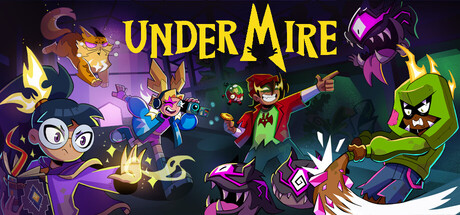
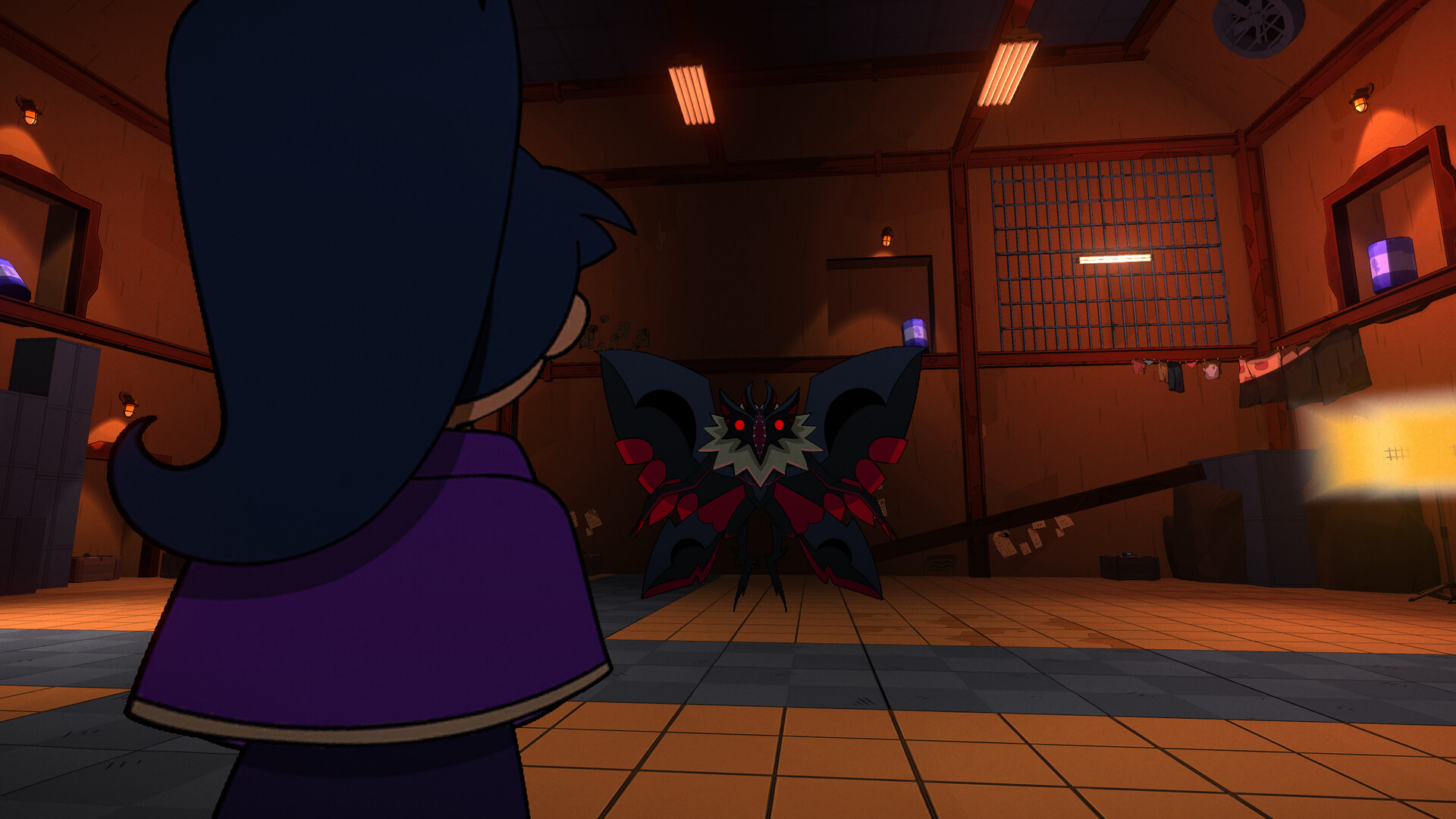
The hook is easy to communicate. Up to four players descend into a shifting mine, combine character abilities, gather loot, and confront comic-horror creatures. The illustrated presentation distinguishes it from realistic extraction horror, while procedural layouts and character synergies position it closer to a replayable action roguelite.
A date announcement is also a scheduling decision for the studio. Once a launch day is public, the team is effectively committing to a content lock, a certification pass, and a marketing cadence that has to survive whatever the demo surfaces. That is why the timing of this reveal matters as much as the date itself: pairing the announcement with a playable build and a character drop gives Table Knight Games a way to gather signal before the window closes, rather than discovering problems after store pages go live.
The Cozy After Dark Showcase framing is worth noting because it places UnderMire in a specific audience context. The game's creatures are comic-horror rather than grim, and its illustrated look reads warmer than the average mine-set roguelite. Showcase placement of that kind tends to attract players who want tension without dread, which is a narrower but more committed audience than a generic action-roguelite listing would pull.
Release, platforms, price, language, and demo
The checked Steam data lists UnderMire for Windows, with no Mac or Linux version shown. The store had not disclosed a launch price. English, Arabic, Brazilian Portuguese, Simplified Chinese, Japanese, French, German, Spanish, and Russian were listed; Korean was not listed at the check time.
That language spread is broad for a studio of this scale, and it suggests the pitch is being aimed at co-op groups across several regions rather than a single home market. It also raises a practical question the store data cannot answer: whether the localization is text-only or extends to voice and UI scaling. Players in the listed languages should confirm on the live page rather than assume parity.
The official data includes demo app 4693870. Players can therefore test the combat readability, lobby flow, controller feel, and solo viability before wishlisting. Demo availability and content can change, so the live store page remains the final reference.
A separate demo app ID is a small but meaningful detail. It means the demo is tracked as its own product rather than a branch of the main build, which usually makes it easier for a studio to patch the trial independently of the launch version. For players, that cuts both ways: fixes can arrive quickly, but the demo can also diverge from the shipping game in ways the store page will not spell out.
What could make the loop work
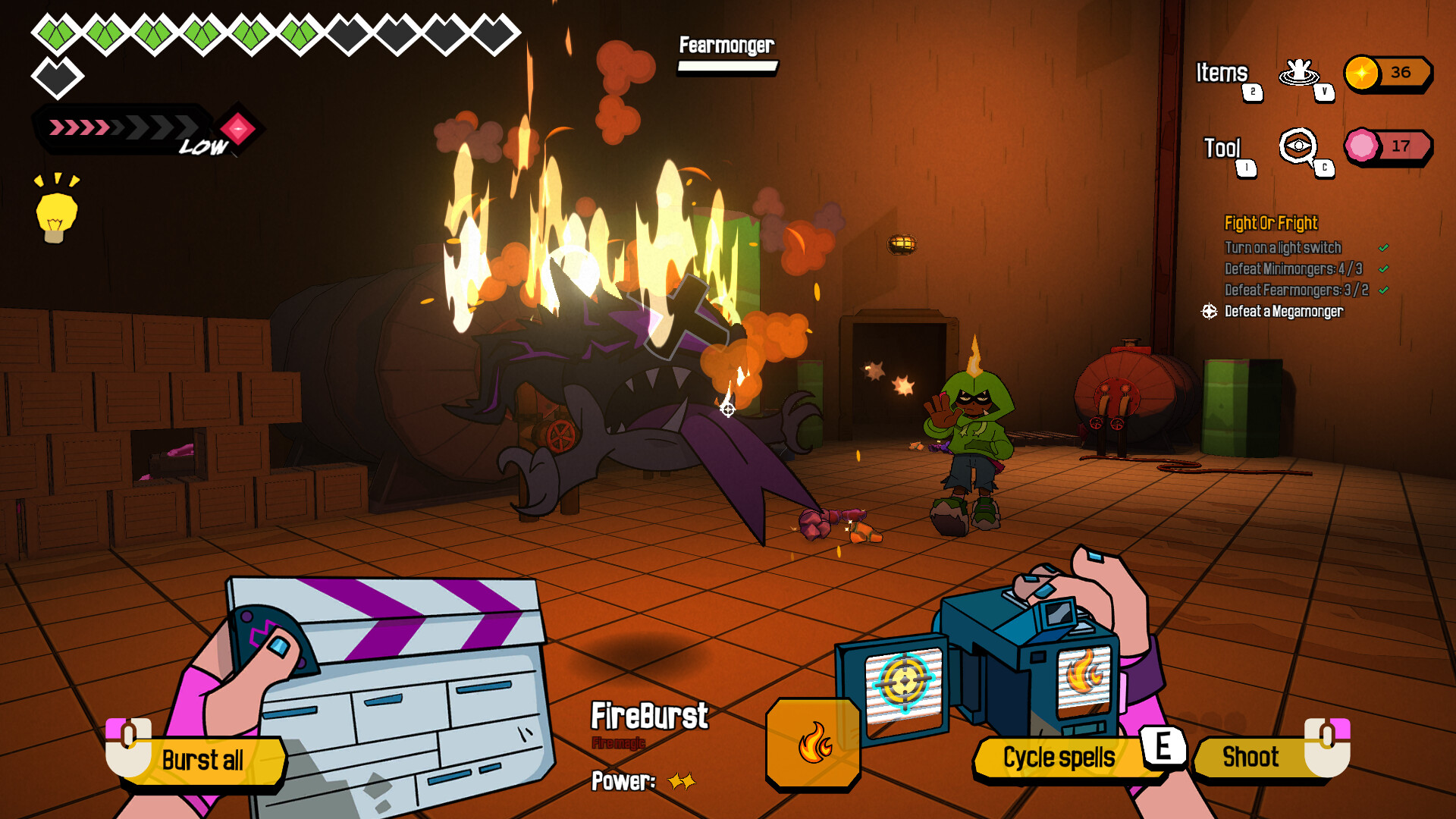
Co-op roguelites succeed when each run creates meaningful coordination instead of four players merely attacking the same targets. UnderMire's character-based design could support that through complementary crowd control, damage, recovery, and movement abilities. Its procedural mine also needs rooms that alter decisions—not just shuffled corridors.
The mechanism to watch is ability interaction. In a four-player roguelite, the difference between a good and a forgettable run is usually whether one character's tool changes what another character can safely attempt. A recovery ability that lets a damage dealer hold a corridor, or a movement tool that opens a route the group could not otherwise take, turns a roster into a system. If the abilities only stack raw output, the fourth player becomes a multiplier rather than a role.
Procedural generation carries a parallel test. Shuffled layouts extend playtime, but they do not create decisions unless room contents interact with the party's composition. A mine that sometimes forces a split, sometimes rewards holding ground, and sometimes punishes greed is doing design work; a mine that merely rearranges the same encounter is not. The demo is the first place players can judge which of those two UnderMire is.
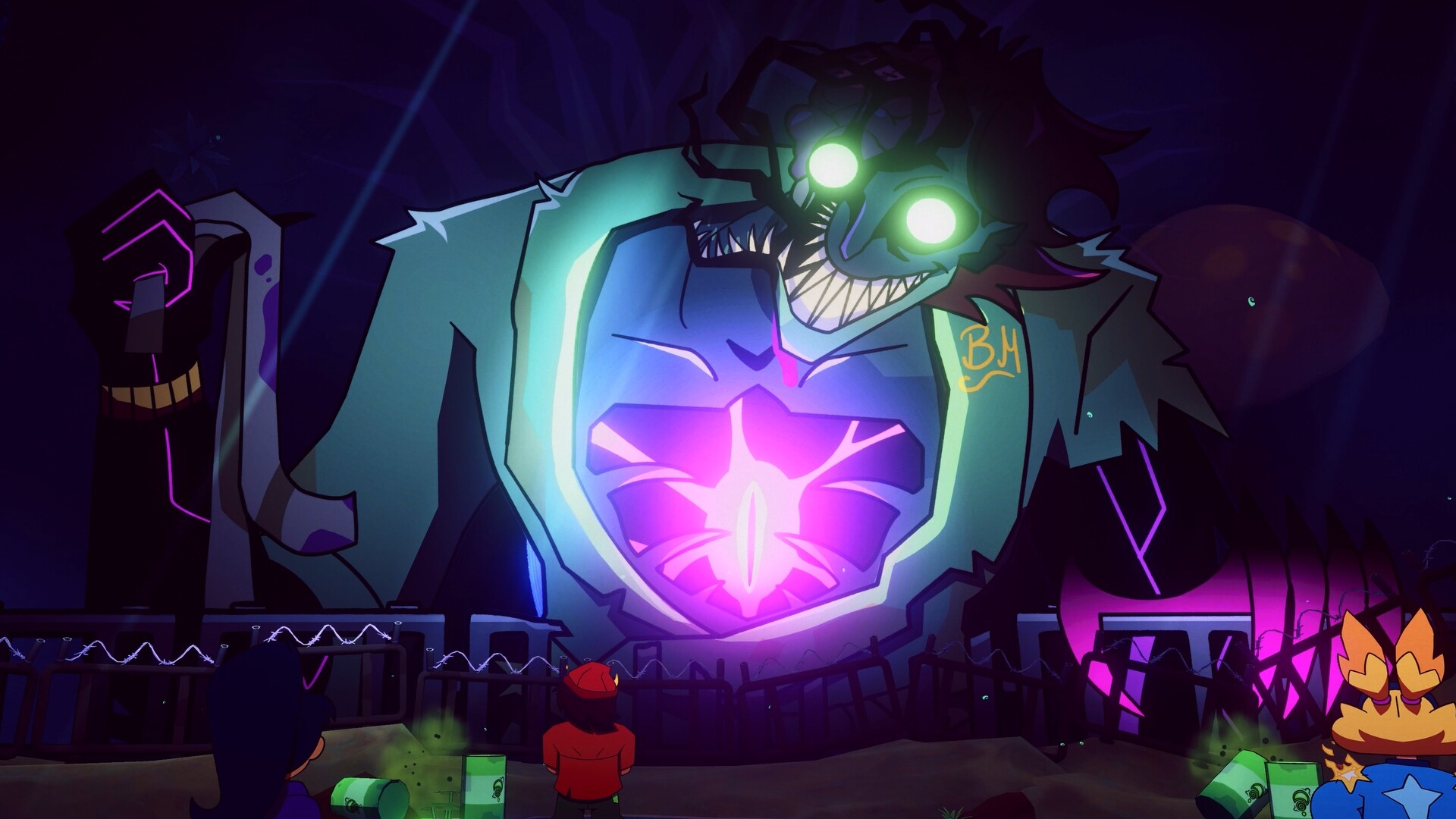
The strongest opportunity is tone. Hand-drawn monsters and exaggerated animation can make failure entertaining, which matters in a run-based game. The biggest risk is familiarity: random rooms, loot, and escalating enemies are no longer sufficient by themselves. Build variety, readable effects, low-friction matchmaking, and useful solo scaling will decide whether the hook lasts beyond a few sessions.
Readable effects deserve their own line because co-op combat multiplies visual noise. Four players, their abilities, and a screen of comic-horror creatures can turn a hand-drawn art style into clutter if silhouettes and telegraphs are not disciplined. The demo is the cheapest way to check whether the presentation stays legible when the party is at full strength.
What is verified—and what is not
Verified at publication:
- Steam lists November 13, 2026 as the release date;
- Table Knight Games is both developer and publisher;
- Windows is the only listed operating system;
- a public demo is attached to the main app;
- the studio announced a new playable character and fresh gameplay with the date reveal.
No public wishlist, sales, download, or dependable player-count figure was disclosed. The article does not estimate those private metrics. It also makes no claim about demo quality, network stability, campaign length, or Steam Deck performance.
The distinction matters because a dated store page is often read as a bundle of promises it does not actually contain. A release date says the studio intends to ship on that day; it says nothing about how matchmaking is hosted, whether progression persists between runs, or how long the campaign runs. Those remain open until the demo or launch coverage answers them.
Self-publishing is another verified detail with unverified consequences. Table Knight Games holding both developer and publisher roles means fewer intermediaries between the build and the store page, which can speed fixes and messaging. It also means the studio carries the full weight of launch support, so the questions about matchmaking and post-launch plans land on the same small team.
Who should try it, and who should wait
Try the demo if your group likes run-based action, comic horror, and character combinations. Test the onboarding and whether one session creates enough build choice to justify another run. Solo players should specifically verify companion or scaling behavior.
A practical demo checklist helps here. Load into a lobby and watch how long it takes to fill or how the game handles a partial party. Play one run to failure and note whether the loss taught you something about the systems or only about enemy damage. Then start a second run and see whether the character options you did not pick feel like live alternatives or filler. Those three checks map directly onto the risks above.
Wait for launch coverage if you need confirmed public matchmaking quality, accessibility options, campaign depth, or post-launch plans. With no checked price and no review sample, a wishlist is the lower-risk action.
Wishlisting is not a neutral gesture, either. It signals demand to the studio and to Steam's visibility systems without committing money, which is exactly the right posture when price and review evidence are both missing. Players who need certainty can hold that wishlist until launch-week impressions answer the open questions.
Editorial verdict
UnderMire has a legible pitch, a playable proof point, and a verified release date. That earns it a try-the-demo signal, not a purchase recommendation. The decisive question is whether cooperation changes tactics from room to room or simply adds more damage to a familiar roguelite structure.
Everything else in this preview follows from that single test. A dated launch, a broad language list, and a showcase slot are all evidence of intent and reach; none of them is evidence of design depth. The demo is where intent becomes something a player can feel, and until it is played, the honest position is interest with the receipt attached.
Sources and image rights
- Official Steam store: https://store.steampowered.com/app/3366370/
- Official Steam app data: https://store.steampowered.com/api/appdetails?appids=3366370
- Developer/publisher release-date announcement: https://www.gamespress.com/en-US/CO-OP-ROGUELITE-HORROR-UNDERMIRE-DESCENDS-ON-STEAM-FRIDAY-13TH-NOVEMBE
- Evidence checked October 13, 2026 at 1:58 p.m. MYT.
- Image rights: hero and screenshots are official Steam store assets supplied by Table Knight Games, downloaded locally for identification, reporting, and criticism; no compositing or semantic alteration. © Table Knight Games.